
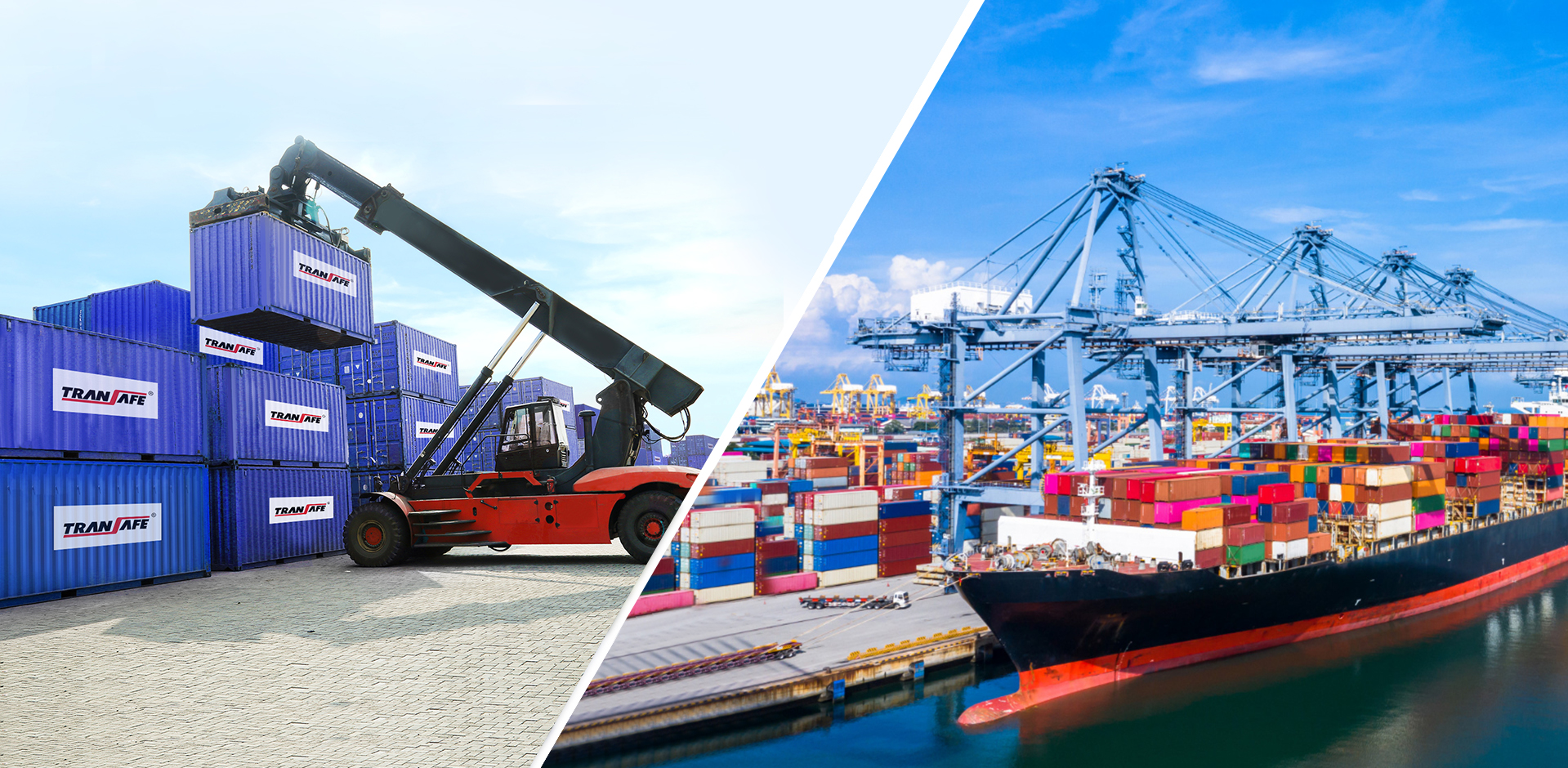
ICDs vs. Ports: Understanding the Differences and Benefits
Global trade is evolving rapidly and with it the importance of having efficient cargo movement systems in place. International trade depends on strong logistics infrastructure like Inland Container Depots (ICDs) and ports. While both are vital, ICDs and ports serve distinctly different purposes.
Did you know that over 80% of global trade moves through maritime routes, yet a significant portion of cargo first travels through ICDs before reaching a port? Let’s understand how they function individually and collectively can help businesses, logistics professionals and trade facilitators make informed decisions that lead to faster deliveries, optimized costs and seamless connectivity.
Let's outline their key differences, individual advantages and how they work in tandem to streamline global trade.
| What Are ICDs and Ports? | ||
| Aspect | ICD (Inland Container Depot) | Port |
| Definition | A dry port facility located inland that handles storage, customs clearance and cargo movement. | A maritime facility located at a coastline or riverbank where ships load and unload cargo. |
| Location | Situated away from the coastline, near industrial/commercial hubs hinterland regions. or | Located on coastlines, near oceans, seas or navigable waterways. |
| Main Purpose | Serves the operational and logistics needs of nearby plants or industrial hubs. | Acts as a gateway for international trade by facilitating sea-bound cargo movement. |
| Functionality | Handles container stuffing/destuffing, customs inspection, storage and intermodal transfers. | Manages loading/unloading of cargo from vessels, container storage and port logistics. |
| Infrastructure | Equipped with container yards, warehouses, rail sidings, truck bays, weighbridges and cranes. | Includes berths, quays, gantry cranes, docks, port terminals and ship handling gear. |
| Operational Cost | Help to avoid congestion charges and reduce inland logistics costs. | May incur higher costs due to space constraints and vessel waiting time. |
Benefits of ICDs:
- Decongest Ports by handling pre- and post-shipment activities inland
- Faster Turnaround with smoother customs and documentation processes
- Multimodal Logistics linking road, rail and sea transport
- Lower Risk of Demurrage, saving time and costs on cargo storage
Benefits of Ports:
- Global Access: Connect directly with international shipping lines
- High Capacity: Handle large volumes, including bulk and containerized cargo
- Essential for Maritime Trade: Crucial for all seaborne export-import operations
How ICDs and Ports Work Together
- Seamless Integration: Cargo flows from factory → ICD (storage & clearance) → Port (export/import)
- Reduced Bottlenecks: Distributing tasks eases congestion and delays
- Collaborative Efficiency: ICDs function as dry ports, extending the operational reach of seaports
Strategic Role of ICDs in Trade
- Closer to Manufacturing Hubs: Simplifies transport and reduces lead time
- Documentation Support: Ensures smoother compliance and export readiness
- Warehousing Options: Ideal for seasonal or buffer stock
Key Takeaways
- ICDs are vital for efficient inland logistics and customs management.
- Ports remain essential for global shipping and high-volume trade.
- Leveraging both ensures faster, smoother and cost-effective supply chain operations.
Optimize Your Logistics Strategy
Knowing when to utilize Inland Container Depots (ICDs) versus direct port access can significantly impact the efficiency, cost and agility of trade operations. It’s about making informed choices that align with business goals and market demands.
In the dynamic world of business, where supply chain speed and flexibility define growth, businesses that optimize their logistics strategy through the right infrastructure will be better equipped to thrive, scale and compete on a global stage.