
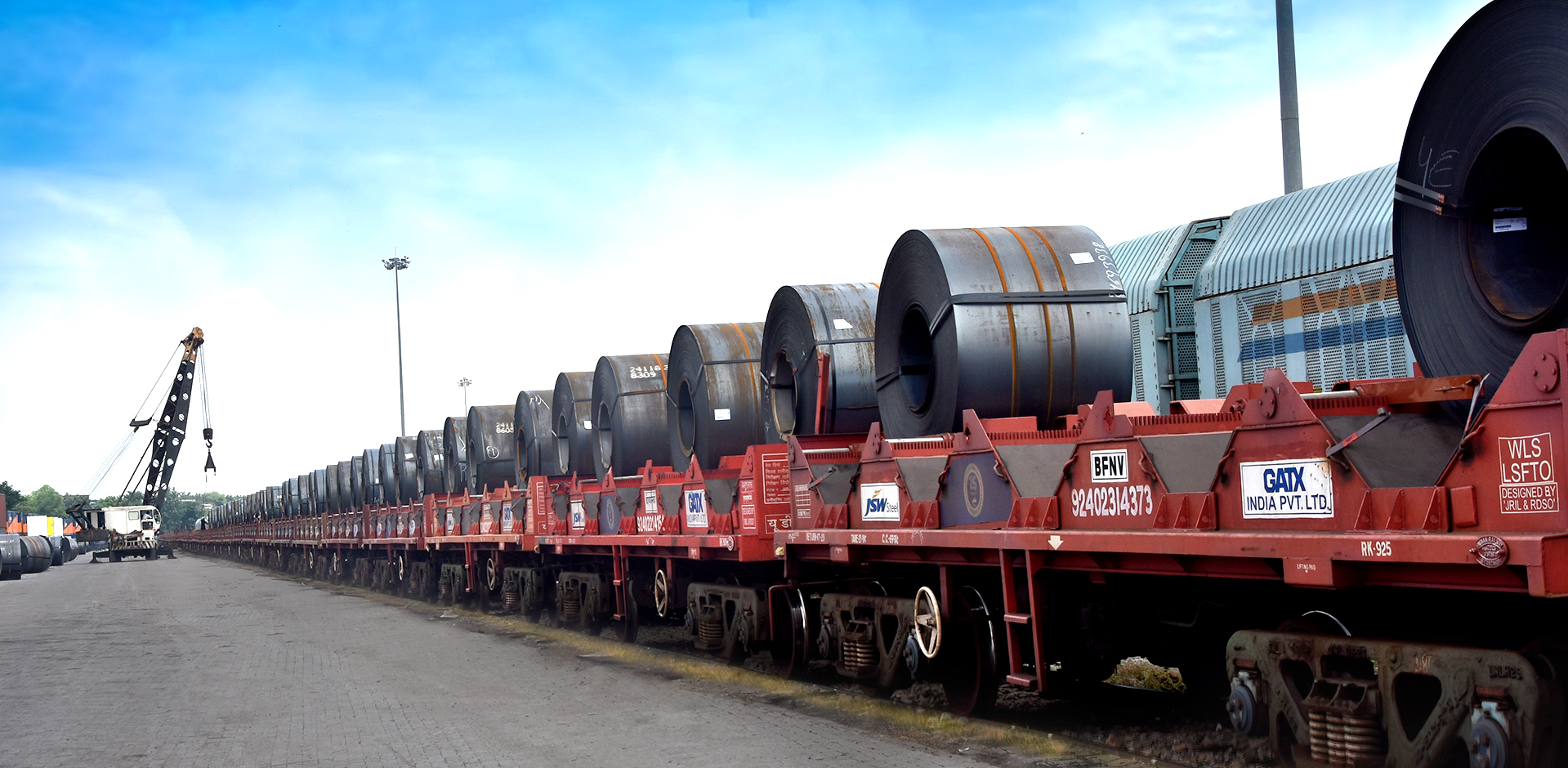
Understanding the Role of ICDs in India's Export and Import trade
India's growing international trade relies on an efficient logistics network to facilitate the movement of containerized cargo. Inland Container Depots (ICDs) in India, play a crucial role in handling Domestic & EXIM cargo. As landlocked regions expand their contribution to trade, ICDs act as a vital link between exporters, importers and international shipping lines.
ICDs also known as dry ports, contribute significantly to India's export and import trade by serving as multimodal logistics centers, handling customs formalities and facilitating the movement and storage of containerized cargo between inland locations and seaports. These depots help in ensuring smooth movement of containers across the country.
ICDs provide various services, including:
- Customs Clearance process for export and import goods
- TXR Examination ensure safety and efficiency by inspecting train wagons for mechanical, break and load issues
- Stuffing of containers, reducing the workload of business
- Multimodal transport connectivity (Road, Rail and Sea)
- Container maintenance and repair if required
ICD’s Role in India’s Logistics
ICDs hold a key position in India's logistics sector by acting as inland hubs for container movement, thereby reducing congestion at seaports and improving overall trade efficiency. It provides seamless connectivity between ports, industrial hubs and international markets, ensuring faster and cost-effective transportation. With India's increasing focus on multimodal logistics solutions , ICDs are becoming even more significant in streamlining supply chains and enhancing the competitiveness of Indian exports & imports.
Role of ICDs in India’s Export-Import Trade:
1. Improving Logistics Efficiency
ICDs help reduce congestion at ports by handling cargo-related activities inland. It enables quicker turnaround times at ports, ensuring a smoother logistics flow.
2. Enhancing Trade Connectivity
By connecting landlocked areas with major seaports, ICDs make it easier for exporters and importers to move containerized cargo more efficiently, reducing transit time and costs.
3. Customs Facilitation & Documentation
ICDs provide on-site customs clearance, allowing businesses to complete necessary export-import documentation before goods reach the seaport, thus expediting shipments.
4. Cost Reduction for Traders
Transporting goods to an ICD for consolidation before reaching the port reduces transport costs, especially for businesses located far from coastal regions.
5. Supporting Export Growth
ICDs act as hubs for export-oriented industries, offering storage, quality checks and value-added services, thereby encouraging small and medium enterprises (SMEs) to participate in global trade.
6. Boosting Rail Freight Transport
ICDs are strategically located along rail corridors, helping shift cargo transport from road to DFC/railways, which is more cost-effective and environmentally friendly.
Future of ICDs in India
With India's focus on improving logistics infrastructure, the government is promoting the Gati Shakti initiative and National Logistics Policy to enhance multimodal logistics connectivity across the country. The development of Dedicated Freight Corridors (DFCs) will further boost the role of ICDs in reducing transit timeand cost for exporters and importers. As DFCs extend their network, ICDs situated near these corridors will gain strategic importance as vital hubs for cargo aggregation, decongestion of ports and seamless hinterland connectivity. With improved rail infrastructure, ICDs will be better equipped to handle higher container volumes, serve diverse industries and connect with new trade routes, driving growth and efficiency in the logistics sector.
Conclusion
Inland Container Depots are not merely supporting infrastructure; they are strategic assets shaping the future of India's logistics landscape. As international trade volumes grow and supply chains evolve, the role of ICDs will become even more central to driving efficiency, reducing costs and enhancing global competitiveness. Their continued development, backed by policy reforms and technological advancements, will serve as a strong foundation for India's economic aspirations, enabling businesses across the nation to connect seamlessly with the world.