
How ICDs Like Sanjvik Terminals Support Global Supply Chain Operations
Modern trade demands uninterrupted shipment movement, efficient regulatory processes and reliable transport networks. As global markets become more interconnected, logistics hubs away from coastal areas, specifically inland container depots (ICDs) play an increasingly vital role. Facilities such as Sanjvik Terminals, positioned as a prominent dry port in India, significantly strengthen global supply chain networks by offering multimodal access, seamless documentation and dependable shipment management solutions.
This blog explores how ICDs contribute to global trade and how Sanjvik Terminals supports modern supply chain operations through integrated services and world-class infrastructure.
What Is the Role of Inland Container Depots (ICDs) in Global Supply Chains?
An inland container depot acts as an extension of a seaport, providing essential services such as shipment handling, container storage, customs clearance services and multimodal connectivity. ICDs improve the overall flow of goods within the supply chain, particularly in regions located away from coastal ports.
Key contributions of ICDs include:
- Reducing port congestion by shifting shipment documentation and handling inland
- Facilitating container movement through icd logistics
- Strengthening supply chain operations for exporters and importers
- Serving as critical nodes in logistics and supply chain management
- Delivery comfort to customer by planning their shipments from ICD instead of port (short distance and time accuracy)
- Logistics convenience
- Reduction in carbon footprints by increasing Rail usage instead of trucks
- Easy liaisoning with Customs and faster clearance of shipments
By decentralising port activity, ICDs enhance the efficiency of the entire logistics ecosystem.
How Does Sanjvik Terminals Function as a Critical ICD in Northern India?
Sanjvik Terminals serves as a strategic inland container depot India located near North India’s major industrial clusters. Its geographic advantage supports the movement of export–import shipment across multiple sectors.
The facility strengthens the regional supply chain management landscape through:
- Access to rail and road networks
- Strategic location connecting major industrial zones like Neemrana, Bawal, Bhiwadi, Rewari, Manser etc.
- Integrated customs documentation
- Containerised shipment handling
- Scalable warehousing and storage zones
Its role as a dry port in India enables industries to manage shipment flow efficiently without depending entirely on coastal terminals.
Multimodal Connectivity: Linking Road, Rail and Sea for Smooth Operations
Sanjvik Terminals operates as part of a larger multimodal logistics framework connecting:
- Road corridors for domestic distribution
- Rail networks for long-haul freight
- Strong port connectivity to major Indian seaports
This multimodal ecosystem improves transit time and expands options for businesses managing diverse shipment requirements.
How ICDs Reduce Congestion at Seaports and Facilitate Faster shipment Movement
By shifting processes inland, ICDs like Sanjvik Terminals help decongest major ports. Activities such as documentation and inspection can be completed ahead of shipment reaching the port. This reduces:
- Shipment waiting time for connectivity
- Congestion of port
- Coordination delays
- Road traffic reduction
- Delivery convenience considering customer/ plant production and dispatch requirements
- Easy to comply with Customs documentation and coordination process
The result is a smoother interface between inland shipment points and port terminals, enhancing overall global supply chain efficiency.
Warehousing and Storage Solutions Offered by Sanjvik Terminals
The terminal offers dedicated areas for bonded and general warehousing, facilitating:
- Inventory management
- Long-term storage
- Value-added services such as labeling, palletization and kitting
- Safe handling zones for sensitive shipment
These solutions complement container movement and help businesses optimise inland storage before dispatch.
How Sanjvik Terminals Enables Efficient shipment Consolidation and Deconsolidation
Sanjvik Terminals manages:
- Consolidation of export shipment from different suppliers
- Deconsolidation of import shipment for regional distribution
- Handling of LCL and FCL shipments
- Seamless movement between warehouses and rail yards
This ensures operational accuracy and reduces unnecessary transportation.
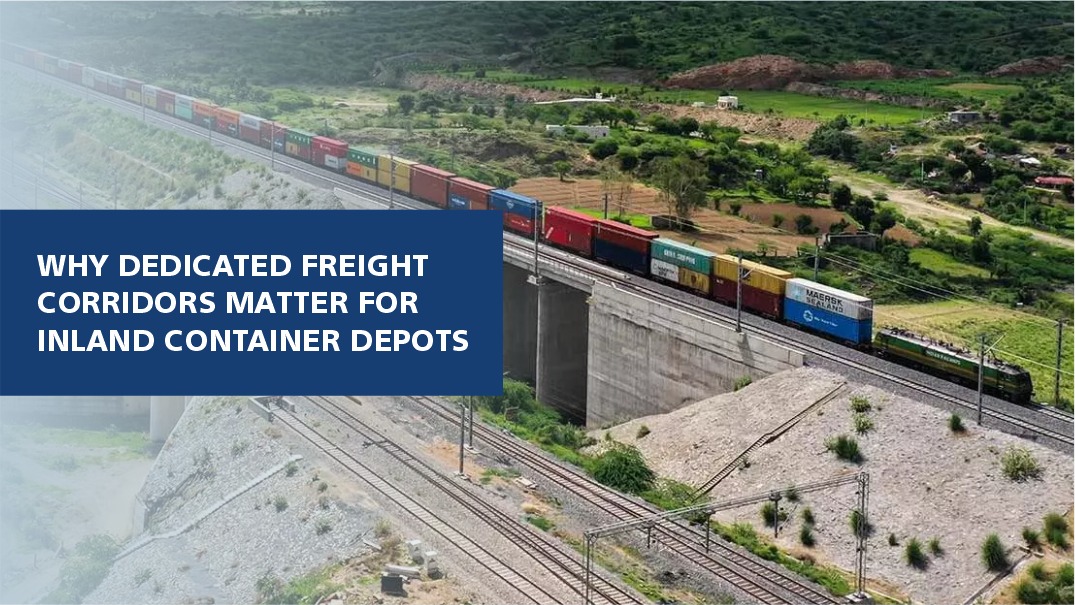
Impact of Dedicated Freight Corridors on Global Supply Chain Efficiency
The Dedicated Freight Corridor (DFC) significantly enhances India’s long-haul freight movement. Its impact includes:
- Faster rail transit to major western ports
- Higher reliability in train schedules
- Reduced logistics bottlenecks
- Shorter cycle times for container movement
These improvements directly support global trade performance.
The Economic Benefits of Utilizing ICDs in Supply Chain Management
Key advantages include:
- Reduced transportation costs
- Better inventory control
- Lower port demurrage and detention charges
- Improved operational predictability
These outcomes support long-term global trade planning.
How Businesses Can Leverage Sanjvik Terminals for Global Supply Chain Growth
Businesses can benefit by:
- Integrating ICD services into route planning
- Using multimodal options for long-haul shipment
- Leveraging bonded warehousing for cost efficiency
- Utilizing digital tracking and documentation tools
This helps build stronger and more consistent international supply chains.
Conclusion: The Strategic Advantage of ICDs like Sanjvik Terminals in Global Trade
ICDs such as Sanjvik Terminals serve as indispensable logistics hubs that support inland commerce, enhance multimodal movement, simplify customs processes and strengthen global trade networks. With integrated technology, specialised infrastructure and efficient connectivity, they play a crucial role in improving the performance of global supply chain operations and enabling businesses to compete confidently in international markets.